


What Is Dry AMD vs Wet AMD?
Age-related macular degeneration, or AMD, affects the sharp, central vision you rely on for daily tasks like reading and driving. These small changes are easy to brush off, but recognizing the signs early gives you the best chance to protect your sight for the long term. Learn to recognize what AMD looks like, and how its 2 main forms differ, so you know when it’s time to act.
Dry AMD is a slow-progressing condition where the macula gradually thins with age and deposits called drusen can build up under the retina, while wet AMD is a more severe, fast-moving form caused by abnormal blood vessels leaking fluid.
What Macular Degeneration Does to Your Vision
The macula is a small but important part of your retina. It handles the sharp, detailed vision you use every day, like reading a menu, recognizing a face, or watching TV. When it gets damaged, that central area of your sight becomes blurry or distorted.
Your side vision usually stays intact with AMD. So you can still see around objects, but looking directly at them becomes difficult. That loss of central clarity is what makes AMD so disruptive to daily life.
What Is Dry AMD?
Dry AMD is the more common form, making up about 90% of all AMD cases. It happens when tiny protein deposits called drusen build up under the retina over time. These deposits gradually affect how well your macula functions.
This type moves through early, intermediate, and advanced stages, sometimes over many years. Because the progression is so gradual, many people don’t notice changes until the condition has already advanced. That is why regular monitoring matters so much.
These symptoms tend to creep in slowly, making them easy to miss at first. Watch for these common signs:
- Gradual blurring or difficulty reading fine print
- Straight lines that appear slightly wavy or bent
- Needing brighter light than usual for everyday tasks
If any of these sound familiar, having your eyes checked sooner rather than later is a good idea.
What Is Wet AMD?
Unlike the dry form, wet macular degeneration requires immediate attention because it can affect your sight rapidly. Wet AMD happens when abnormal blood vessels grow under the retina and start leaking fluid. That fluid builds up and damages the macula much faster than the dry form ever does.
Unlike dry AMD, which takes years to progress, wet AMD can cause noticeable vision changes in a short period of time. Some people experience a significant shift in their sight within days or weeks. This makes prompt attention to symptoms especially important.
Pay attention to these symptoms:
- Sudden or rapid loss of central vision
- A dark or blank spot directly in your line of sight
- Objects appearing smaller or farther away than they actually are
If you notice sudden central vision loss, new distortion, or a dark spot in your vision, contact your optometrist or seek urgent eye care right away.
Dry AMD vs Wet AMD Key Differences
Both types affect the same part of your eye, but their behaviour and the approaches used to manage them differ significantly. Here is a quick look at how they compare:
- Speed: Dry AMD progresses slowly over years, while wet AMD can cause rapid changes.
- Severity: Wet AMD greatly affects central vision and is considered the more serious form.
- Treatment approach: Dry AMD is often managed with lifestyle adjustments and monitoring, while wet AMD typically requires medical intervention. Depending on the stage of dry AMD, your optometrist may also discuss nutrition, supplements, monitoring, or whether newer dry AMD treatment options may be appropriate.
Neither type affects your peripheral vision, but the impact on everyday tasks can still be significant. The sooner either form is identified, the more options you have for protecting your sight.
How Regular Eye Exams Can Help
AMD does not always cause symptoms in its early stages. A routine eye exam can detect changes in your retina before you notice anything different about your vision. That early detection gives you more time and more choices when it comes to managing the condition.
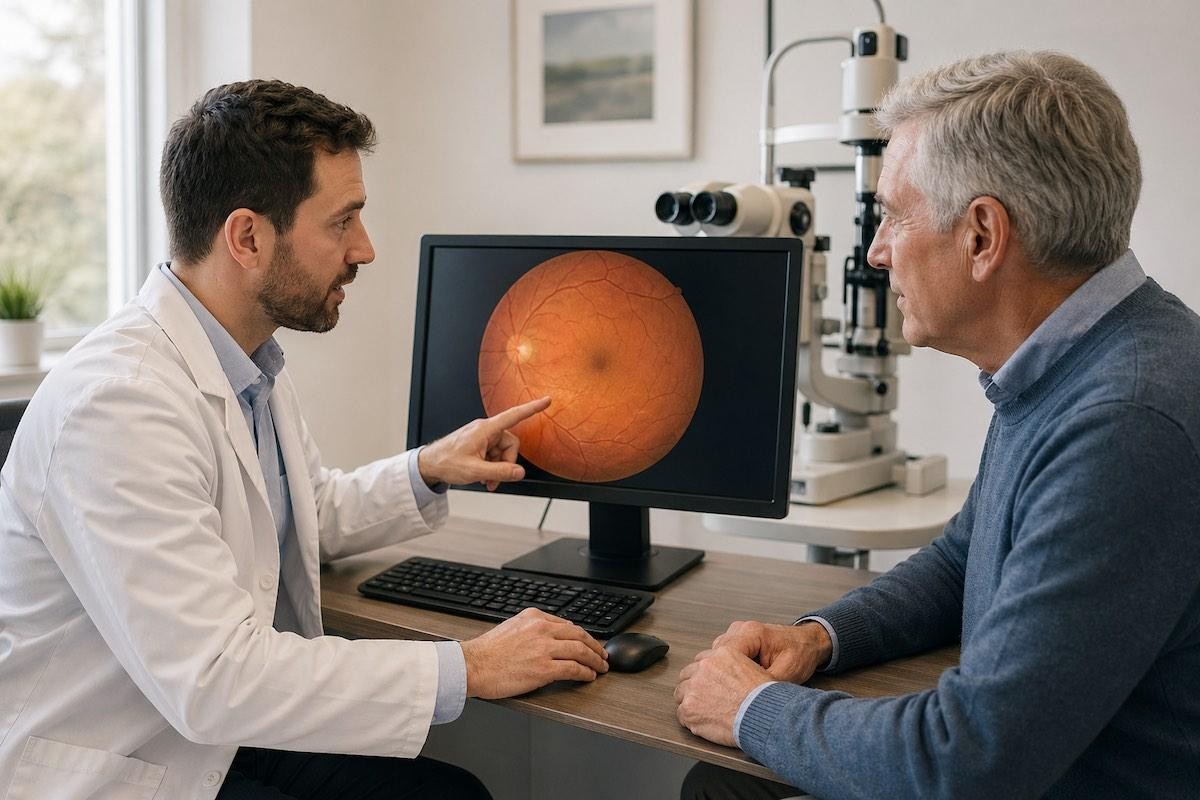
Optometrists can use detailed imaging to monitor your macula over time. Tracking subtle changes from one visit to the next is one of the most useful tools available for staying ahead of AMD. Keep tabs on your eye health with routine visits, especially if AMD runs in your family or you’re over 50.
Don’t Leave Your Vision to Chance
Your sight is worth looking after. Taking a proactive approach to your eye health means you can address potential issues before they interfere with your daily life. Pay attention to any changes in your central vision and take action to support your eyes.
Schedule a comprehensive eye exam with Broadway Eyecare today to get a clear picture of your macular health and keep your vision sharp for the years ahead!